


The project
The Area
Located in northeastern Italy, in the province of Treviso, the site extends along the hilly belt that starts in the municipality of Valdobbiadene and stretches eastward to Vittorio Veneto, eventually descending toward Conegliano. This area represents a significant portion of the vineyard landscape of the Denomination of Controlled and Guaranteed Origin (DOCG), where Conegliano Valdobbiadene Prosecco Superiore is produced.
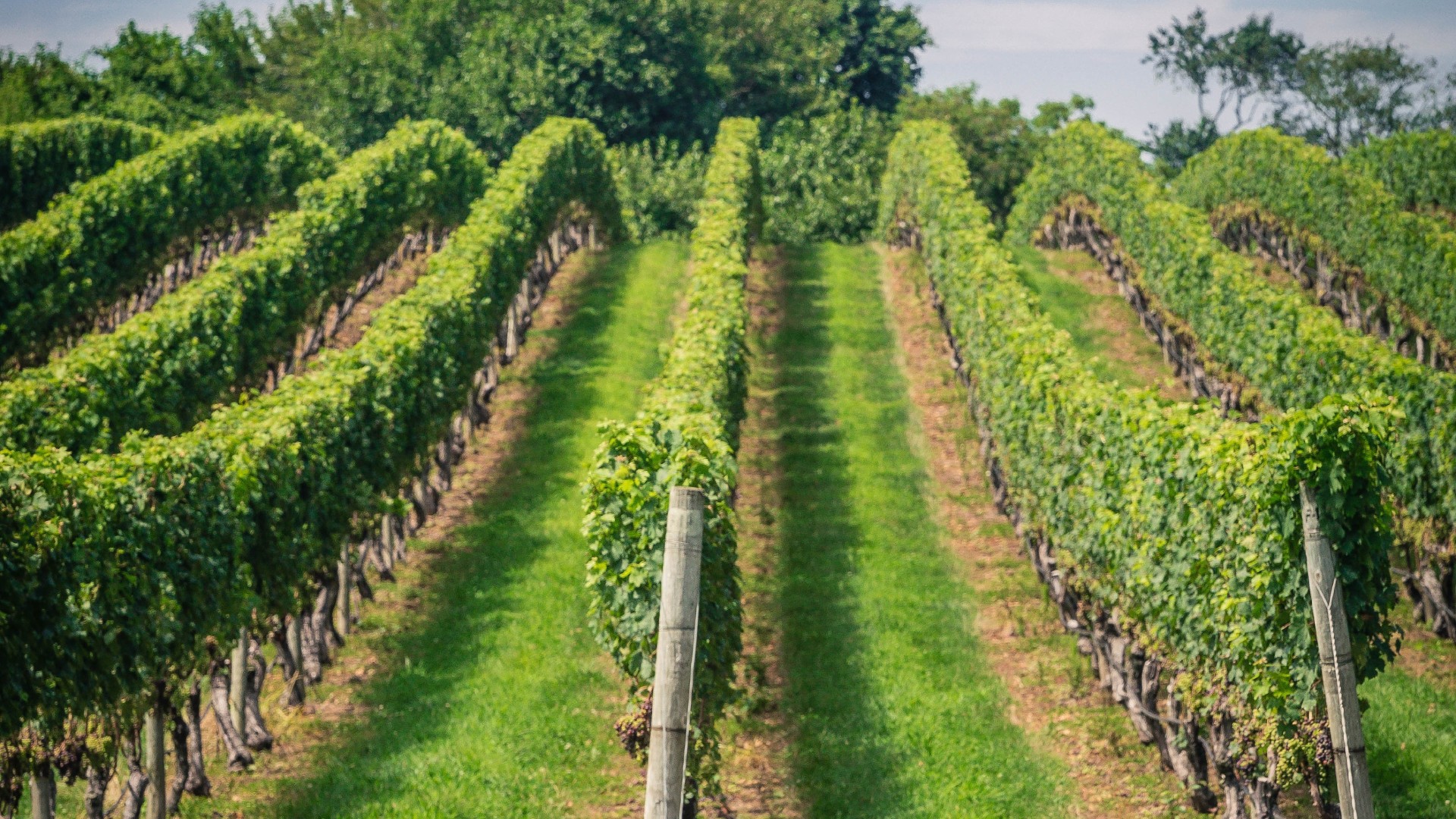
The territory is characterized by a unique landscape: hills, *ciglioni* (small vineyard plots arranged on narrow grassy terraces), woodlands, rural villages, and cultivated fields. For centuries, humans have shaped this complex environment to suit agricultural needs. Starting in the 17th century, the use of *ciglioni* created a checkerboard landscape, with vine rows laid out parallel and perpendicular to the slopes. In the 19th century, the introduction of the “bellussera” training system further contributed to defining the aesthetic and agronomic appearance of the area.

Core Zone
The core zone covers 9,197.45 hectares and does not coincide with administrative boundaries. It includes the hilly areas of the municipalities of Valdobbiadene, Miane, Farra di Soligo, Pieve di Soligo, Follina, Cison di Valmarino, Refrontolo, San Pietro di Feletto, Revine Lago, Tarzo, Vidor and Vittorio Veneto.
This area represents the essential elements of the rural landscape that supported the nomination and inclusion of the site in the UNESCO World Heritage List. The main recognisable aspects are:
- the geomorphological system of ridges, known as hogbacks, which defines the hilly strip between Valdobbiadene and Vittorio Veneto, giving the area a strong landscape value and influencing its agricultural use over the centuries;
- the cultivation of vines on grassy ridges, an ingenious solution that has made it possible to adapt to steep slopes, improving hydrogeological sustainability and optimising viticultural techniques;
- a highly fragmented but interconnected agricultural mosaic, where vineyards alternate with wooded and unproductive areas, creating an effective ecological network capable of providing valuable ecosystem services.